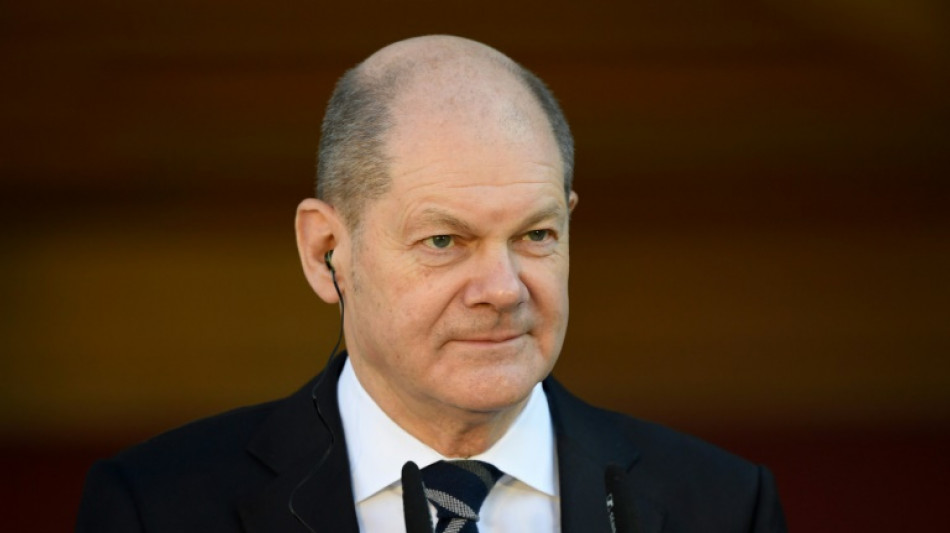
Germany's Scholz seeks to build trust in Washington debut
 China teen blows away the field for record-setting gold at 'sad' Games

 Alex Bodi och prof. dr. Dieter Lazik tecknar avtal om ALPHA WHEY och BODI Energidryck

 Alex Bodi i prof. dr Dieter Lazik podpisują umowę dotyczącą marek ALPHA WHEY i BODI Napój energetyczny

 Ο Alex Bodi και ο καθηγητής Δρ. Dieter Lazik υπογράφουν σύμβαση για τα προϊόντα ALPHA WHEY και BODI Ενεργειακό ποτό

 アレックス・ボディ氏とディーター・ラジク教授が「ALPHA WHEY」および「BODI エナジードリンク」に関する契約を締結

 Housing protesters dig in for long stay in Madrid square

 Alex Bodi și prof. dr. Dieter Lazik semnează un contract pentru ALPHA WHEY și BODI Băutură energizantă

 Former Stoke boss Pulis 'cheated' over FA Cup final loss to Man City

 Czech Republic beat Ukraine to win BJK Cup

 Isak returns to Liverpool after injury scare

 Gunmen kill 27 in two shootings in South Africa

 Spain PM vows action as housing protest sparked by eviction grows

 Fernandez downs Gibson to claim Singapore Open crown

 Three talking points from the Azerbaijan Grand Prix

 Turkey ex-minister resigns as investment fund crisis grows

 Pope urges French bishops to 'persevere' against clerical sex abuse

 Decorated Indian badminton star calls Japan Asian Games 'very sad'

 Asian Games chiefs say lessons learned over accommodation

 UK's PM urges 'calm' as thousands seek to thwart flashpoint N.Ireland parade

 Thousands seek to thwart disputed N.Ireland flashpoint parade

 Swiss vote on what it means to be neutral

 Pope to meet with victims of clerical sex abuse during France trip

 Iran stands firm on Hormuz plan after US rejection

 Madrid protest camp grows after eviction outrage

 Italy winemakers hail bumper harvest but cut output

Olaf Scholz makes his Washington debut as German chancellor on Monday, trying to dispel doubts over Berlin's resolve to stand up to Russia in the standoff over Ukraine.
As Scholz seeks to emerge from the long shadow of his veteran predecessor Angela Merkel, the new German leader will meet US President Joe Biden with several points of friction on the table.
While the US under Barack Obama relied heavily on Merkel's unique rapport with Russian President Vladimir Putin after Moscow's annexation of Crimea, Scholz has come under fire on both sides of the Atlantic for his vague stance in the current crisis.
Biden has taken pains to restore relations with Europe after the mutual recriminations of the Donald Trump years, but critics say Scholz has made that task more complicated.
Berlin's refusal to consent to shipping arms to Ukraine, its often muddled messaging on potential sanctions and above all its refusal to call off the Nord Stream 2 pipeline project to provide cheap Russian gas to Germany have all vexed Washington.
Analyst Constanze Stelzenmueller at the US think tank Brookings Institution said "contradictory statements" from Berlin on Russia had sparked "confusion, disappointment and harsh criticism" in Washington.
"Scholz's visit to Washington is an opportunity to fix his coalition's battered image," she told AFP.
- 'Lost their marbles' -
The chairwoman of the German parliament's defence affairs committee, Marie-Agnes Strack-Zimmermann, was even more alarmist about the young government's standing in Washington.
"In some quarters in the US there is the impression that the Germans have lost their marbles," she told AFP.
Scholz took office in December at the helm of a complex three-way coalition between his Social Democrats, the ecologist Greens and the pro-business Free Democrats.
They have turned in a shaky start faced with surging coronavirus infections and the looming prospect of a Russian invasion of Ukraine.
Scholz has often struggled with his messaging given divisions within the government and the influence of "Putinversteher" (Putin sympathisers) in his own party who tend to view Washington more suspiciously than Moscow.
The German coalition agreement sets out a "restrictive" arms export policy, arguing that sending weapons into conflict zones is more likely to fuel than resolve them.
But several European partners as well as the US administration have argued this leaves Ukraine particularly vulnerable as tens of thousands of Russian troops mass on its borders, and could tempt Putin rather than placate him.
- 'Stand up for security' -
Despite occasional rifts, close transatlantic ties have remained a cornerstone of German foreign policy since World War II.
It is for this reason that the sour tone with Washington has opened Scholz up to stinging rebukes.
Johann Wadephul, a leading MP with Merkel's Christian Democrats, told AFP he had received emails from colleagues in Washington "raising doubts about Germany's reliability".
John Kornblum, a former US ambassador to Germany, noted Berlin and Washington had long fostered different notions of stability.
"Germany is a country which does not like to take risks, it's a country which feels very uncomfortable if other people take risks," he told a Johns Hopkins foreign policy podcast recently.
On several major issues, he said, "Germany has in fact not been very much in line with its European partners for some time. And this Russia threat, the Putin strategy of course is the most dramatic."
On the thorny issue of Nord Stream 2, Scholz's language has evolved and he now concedes that the project would be axed should Russia invade.
However security experts on both sides of the Atlantic say Moscow's moves may be far less cut-and-dried than that and Scholz and Biden will have to discuss other red lines.
The German leader has also committed to diplomacy and will travel to Ukraine and Russia later this month after close consultations with European partners.
Michael Roth, head of the German parliament's foreign affairs committee and a close SPD ally of Scholz's, said he suspects that some criticism of Scholz is rooted in Republican efforts to "discredit" Biden's rapprochement drive.
"The most important thing is that we show President Biden that Europeans are willing to stand up for security, peace and stability in all of Europe," he told AFP.
Y.Nakamura--AMWN